Honda in MotoGP: The Technology Behind CBR Superbikes
Racing as the laboratory of innovation
For decades Honda has used MotoGP as a rolling research lab, turning race victories into real-world technology. The lessons learned on the RC213V prototype flow directly into the CBR superbike range, shaping everything from engine design to electronics and aerodynamics.
Engine concepts from the Grand Prix paddock
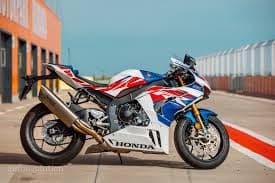
MotoGP demands extreme power with absolute reliability, and Honda applies the same philosophy to the CBR1000RR-R Fireblade. Lightweight internals, advanced combustion chambers, and friction-reducing coatings all originate from race development, giving production bikes sharper throttle response and higher rev ceilings.
Electronics inspired by the track
Modern CBR models carry sophisticated control systems refined in MotoGP. Six-axis IMUs, traction control algorithms, and engine-brake management are calibrated using data gathered from professional riders. These tools help everyday owners access performance that once belonged only to factory racers.
Aerodynamics with purpose
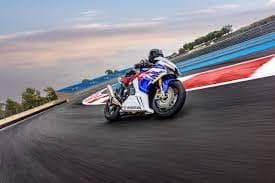
Winglets and fairing shapes seen on today’s CBR superbikes mirror solutions first tested on Honda’s race machines. By managing airflow and generating downforce, these designs improve stability under hard acceleration and braking, just as they do at circuits like Mugello and Motegi.
From circuit to street
Honda’s philosophy is to make race technology usable for all riders. Features such as quickshifters, launch control, and customizable riding modes translate MotoGP complexity into intuitive road performance.
The connection between Honda’s MotoGP program and its CBR superbikes proves that racing success is more than trophies—it is the foundation of machines that deliver precision, confidence, and exhilaration on every ride.