How Ducati’s Styling Evolved from the 916 Era to the Panigale Generation
The birth of a design icon
When the Ducati 916 appeared in the mid-1990s, it changed how the world viewed superbikes. Designed by Massimo Tamburini, its single-sided swingarm, under-seat exhausts, and sharp proportions created a timeless silhouette that blended art with engineering. The 916 established a visual language that would guide Ducati for decades.
Refinement through the 999 and 1098 years
The early 2000s brought experimentation. The 999 introduced a more angular, technical look with stacked headlights and exposed mechanical details. While controversial at first, it signaled Ducati’s willingness to challenge tradition. The 1098 then returned to the elegance of the 916, modernizing its curves while keeping the classic Italian balance.
The Panigale revolution
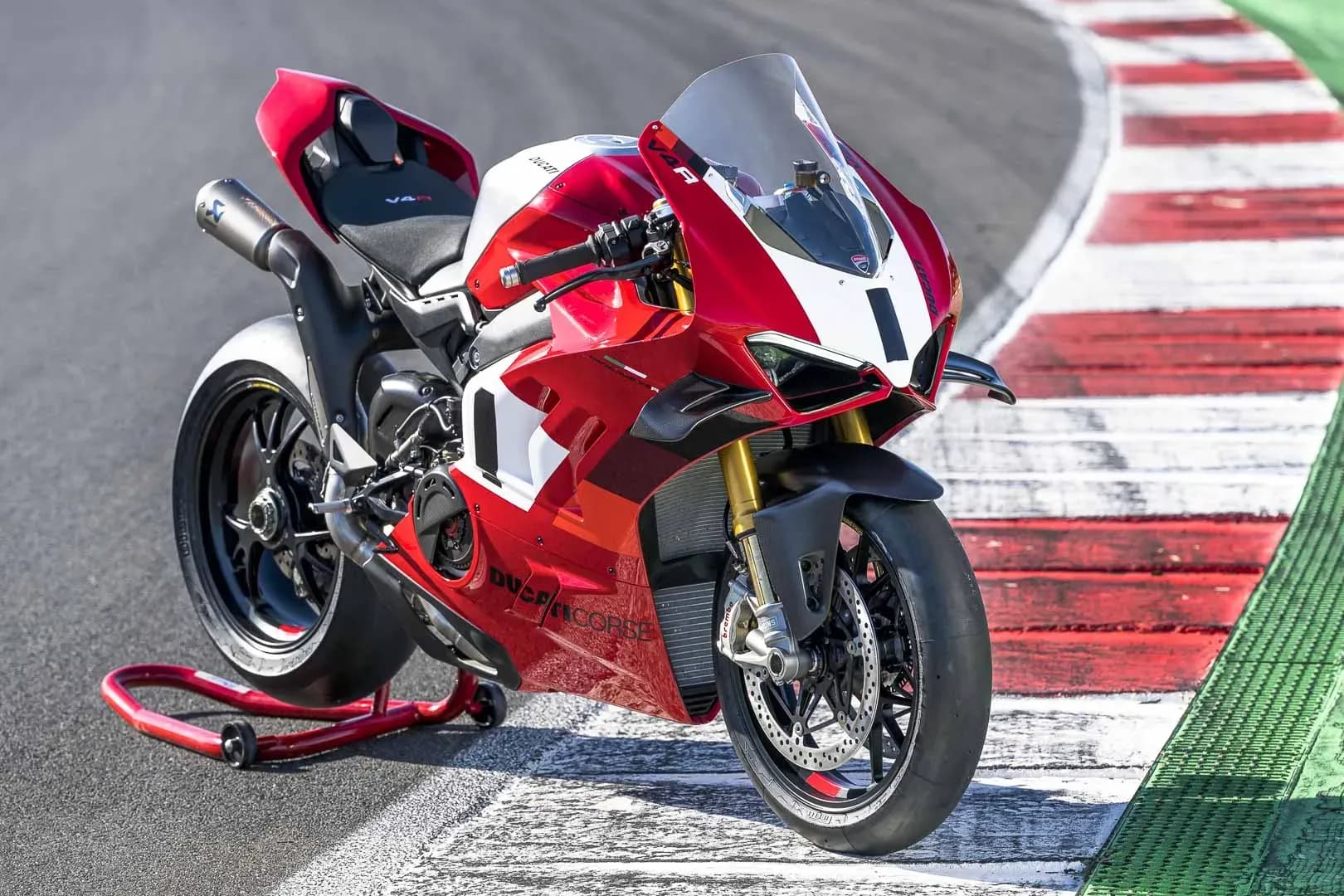
With the Panigale generation, Ducati moved into a new era. The switch to a monocoque chassis allowed slimmer bodywork and tighter packaging. Exhausts migrated lower, and aerodynamics became a central theme, giving the bikes a more purposeful, race-bred appearance.
From beauty to performance-led design
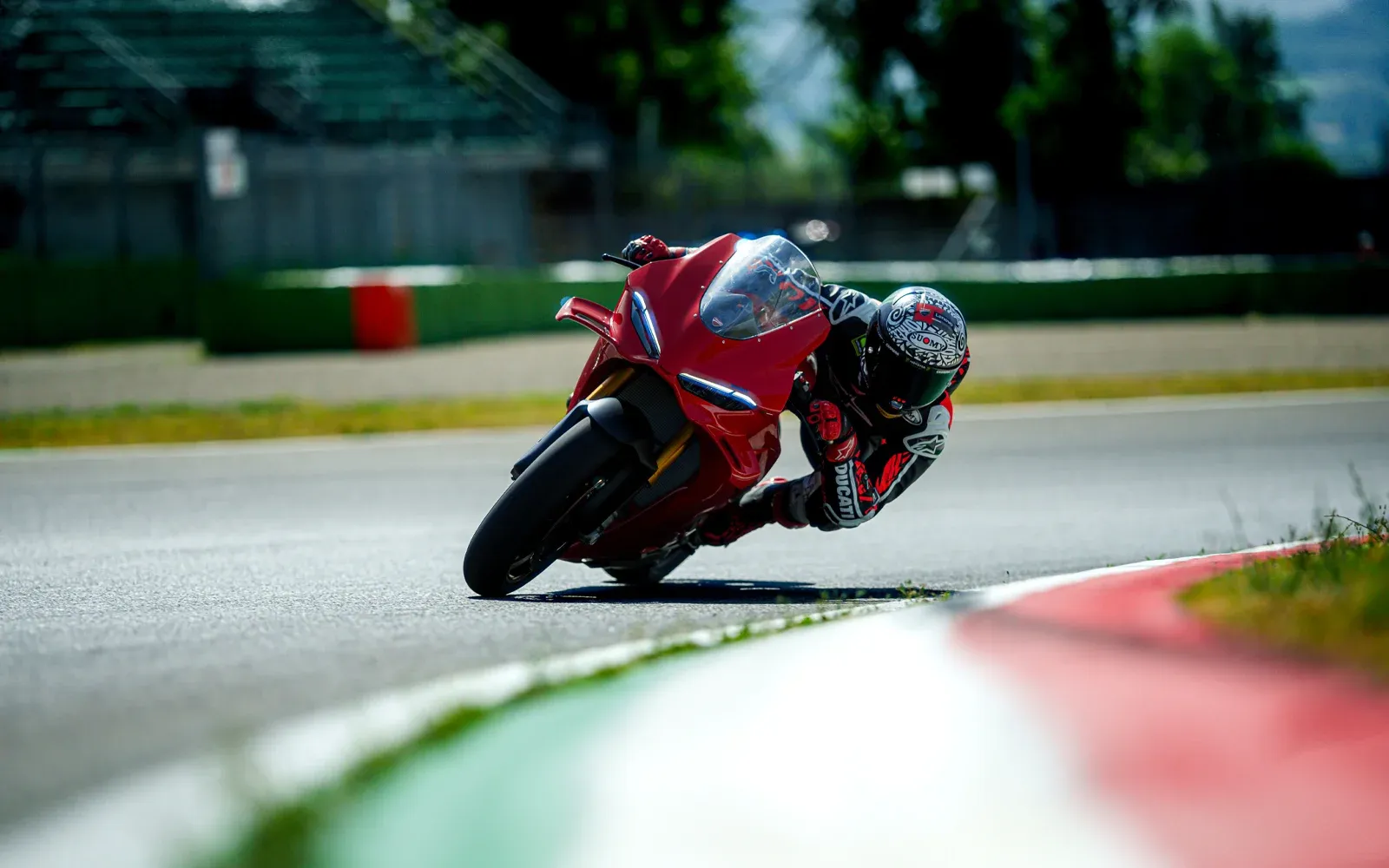
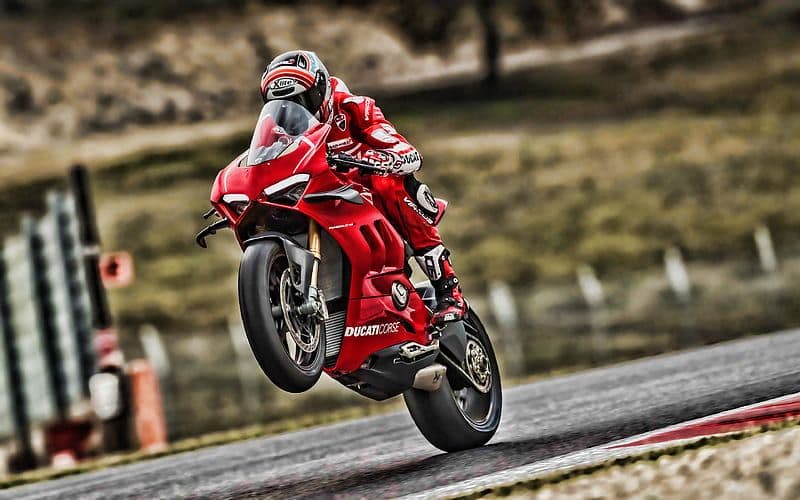
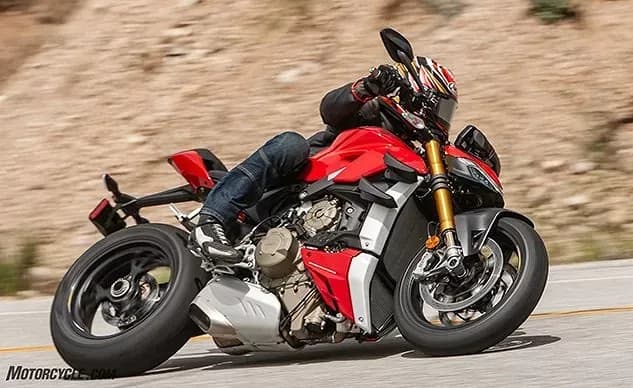
Styling was no longer only about aesthetics. Winglets, sculpted fairings, and aggressive intakes were shaped by wind tunnels and lap times. The Panigale V4 pushed this further, proving that function could enhance beauty rather than replace it.
A continuous Italian thread
Despite the changes, a clear lineage connects the 916 to today’s Panigale. Clean lines, compact tails, and dramatic front profiles remain unmistakably Ducati.
From the elegant purity of the 916 to the high-tech aggression of the Panigale, Ducati’s styling journey reflects a perfect blend of heritage, innovation, and racing passion.