How Ducati’s Racing DNA Powers Its WorldSBK Dominance
A legacy built on the podium
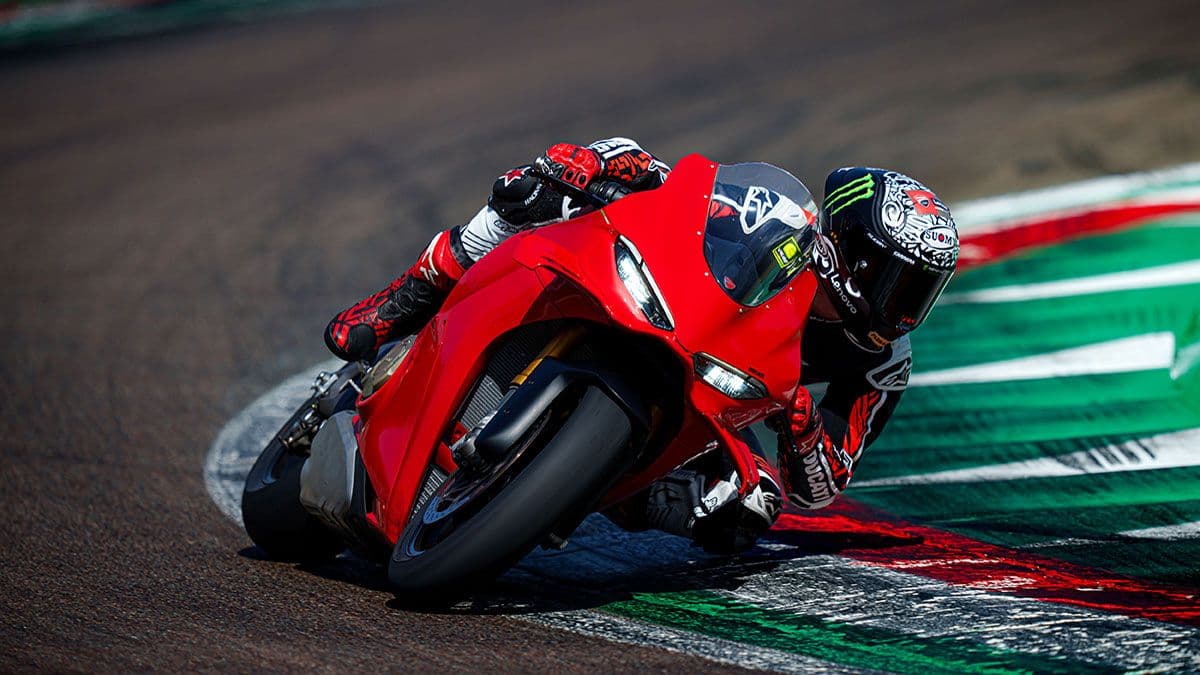
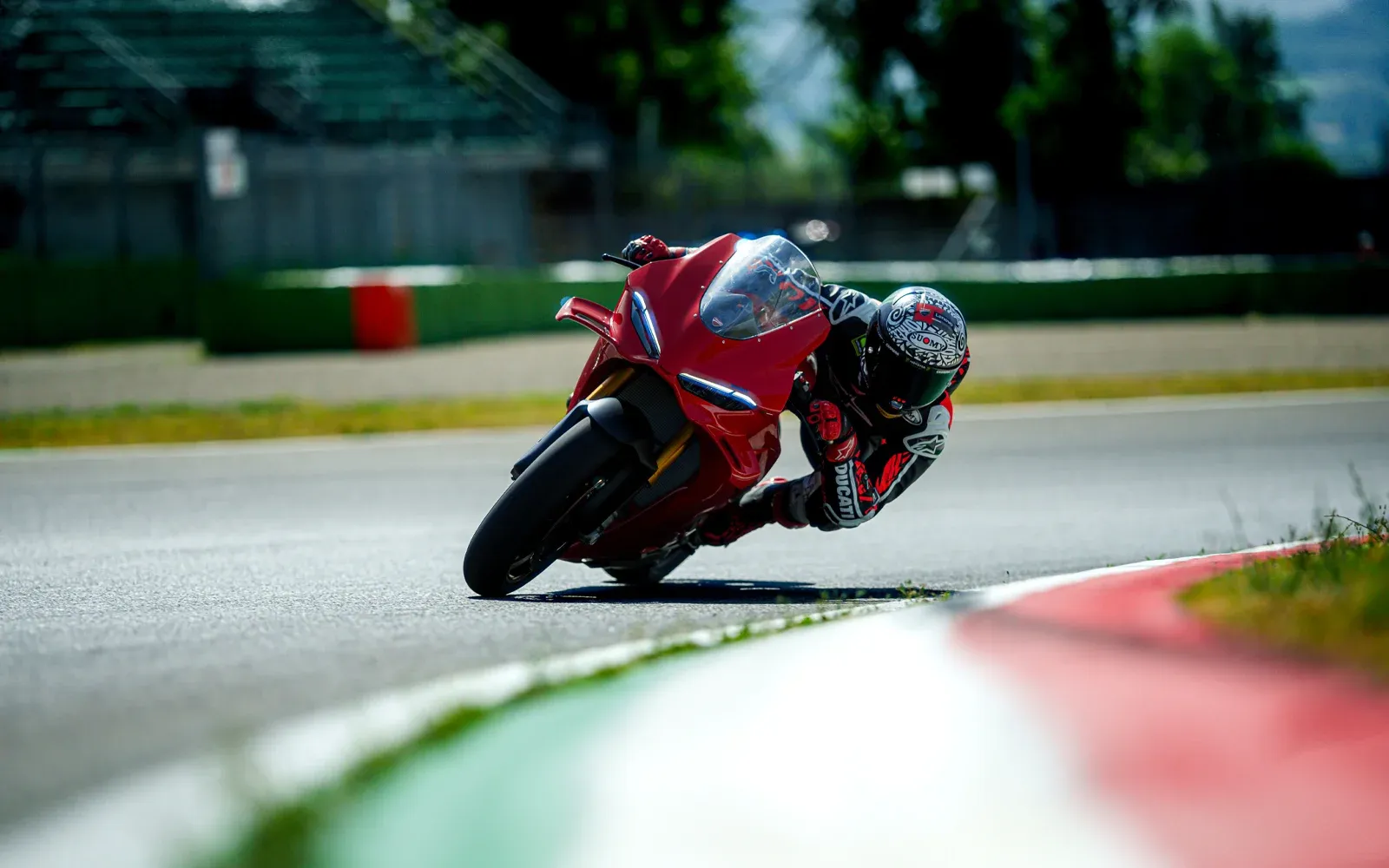
Ducati’s success in the Superbike World Championship is no accident. For decades the Italian brand has treated racing as the heart of its identity, using the WorldSBK paddock as a proving ground for ideas that later define its road machines.
V-twin roots to V4 revolution
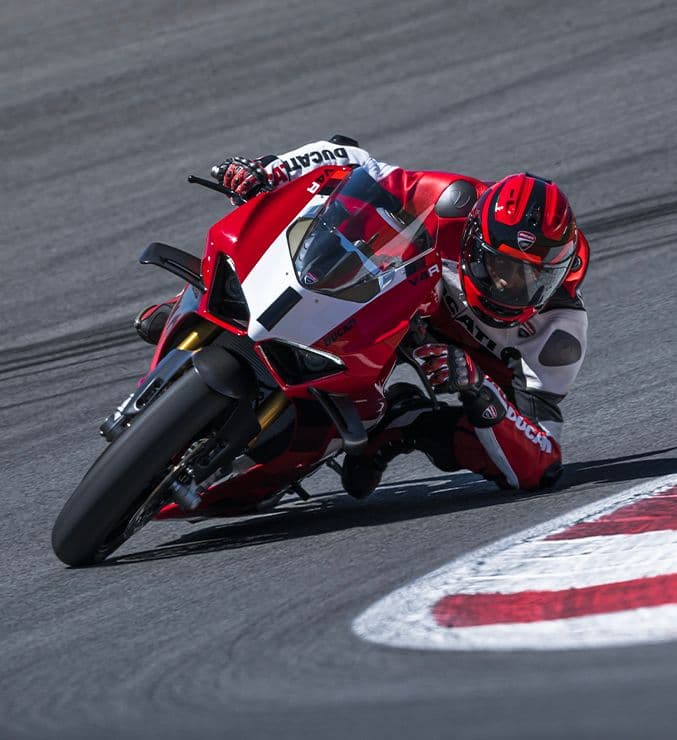
Early dominance came from Ducati’s torque-rich L-twin engines, perfectly suited to the demands of production-based racing. The arrival of the Panigale V4 marked a new chapter, bringing MotoGP-inspired architecture to WorldSBK and instantly raising the performance bar with higher revs and brutal top-end power.
Engineering shaped by competition
Every component on Ducati’s superbikes is influenced by the stopwatch. Lightweight frames, rigid swingarms, and advanced cooling systems are refined through race weekends, where feedback from factory riders turns weaknesses into strengths before the next round.
Electronics as the secret weapon
Ducati’s control strategies are among the most sophisticated in the championship. Traction control, slide management, and engine-brake algorithms are tuned corner by corner, giving riders the confidence to exploit maximum grip while preserving tyre life over race distance.
From track to showroom
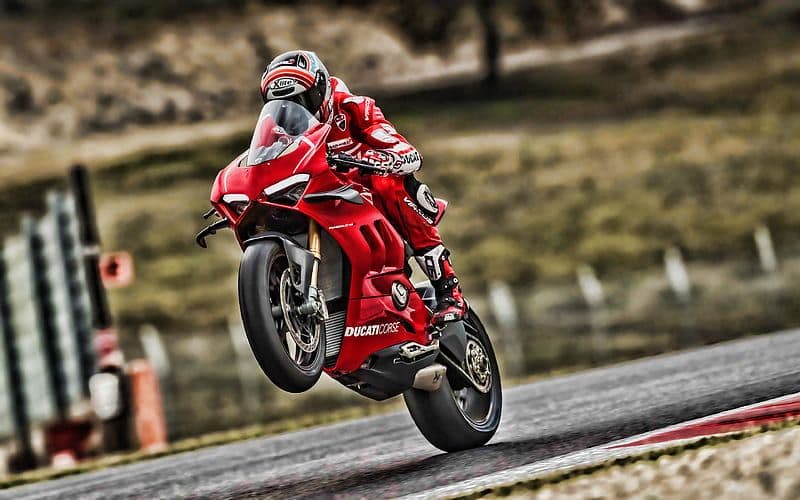
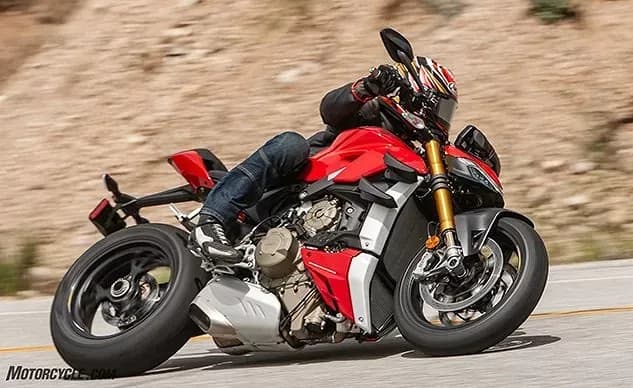
The technology proven in WorldSBK quickly reaches customers. Features such as winglets, quickshifters, and customizable riding modes on the Panigale and Streetfighter ranges are direct descendants of race hardware, allowing everyday riders to feel the same DNA.
Ducati’s WorldSBK dominance is therefore more than sporting glory—it is a continuous cycle of innovation where racing fuels production bikes, and those bikes return to the grid even stronger, keeping the red machines at the front of the field.